
Introduction
Black pepper is one of the most widely used spices in the world. We will discuss black pepper benefits It adds a sharp, slightly hot flavour to meals and is commonly used in soups, vegetables, meat, fish, poultry, and many other dishes. Beyond its culinary value, black pepper has a long history of use in traditional medicine.
Black pepper comes from the dried berries of Piper nigrum, a flowering vine native to South Asia. The berries are harvested and dried before being sold as whole peppercorns or ground pepper. Its distinctive flavour comes from several natural compounds, particularly piperine, which is also responsible for much of the scientific interest in this spice.

Black pepper is sometimes called the “King of Spices” because of its widespread use and historical importance in international trade. Modern research has investigated piperine for its antioxidant and other biological properties. However, many of the reported health effects have been studied mainly in laboratory experiments and animals rather than in large human trials.
Let’s explore the nutritional value, potential health benefits, cooking applications, and safety considerations of black pepper.
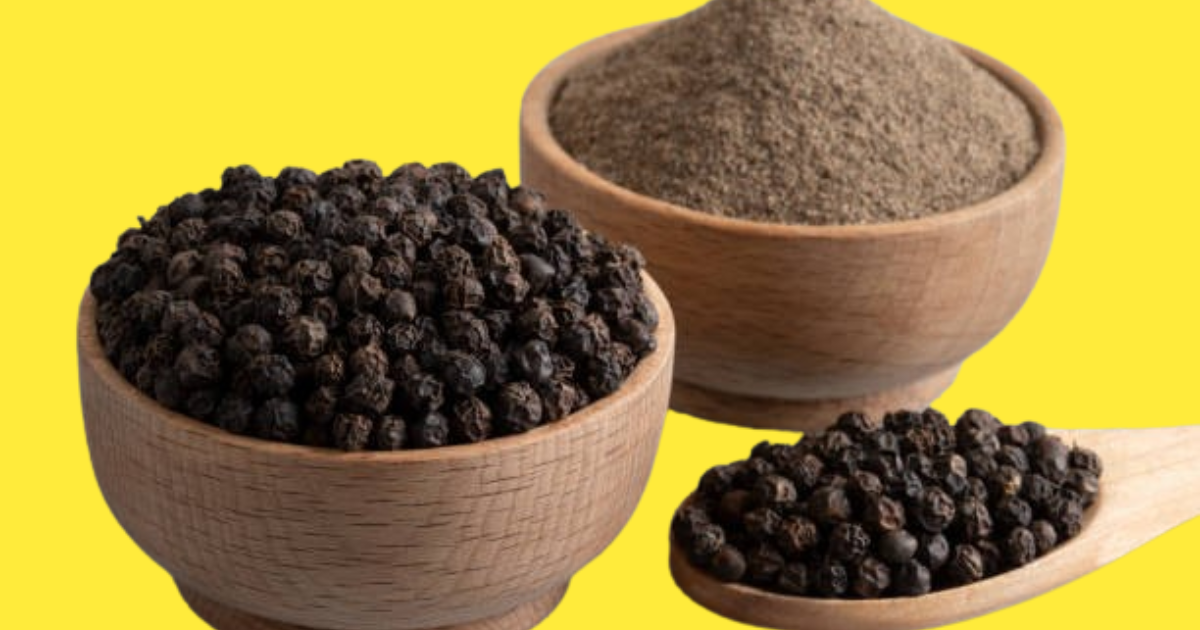
Black Pepper: A Versatile Spice for Everyday Cooking. Black peppercorns are widely used to add flavour and aroma to everyday meals.
Potential Health Benefits of Black Pepper
Black pepper contains several naturally occurring plant compounds, including piperine. Research suggests that some of these compounds may have biological effects. Nevertheless, it is important to distinguish promising early findings from benefits that have been established in humans.
1. Contains Antioxidant Compounds
Our bodies naturally produce unstable molecules called free radicals. These molecules are generated during normal metabolic activities and can also increase through exposure to cigarette smoke, air pollution, and other environmental factors.
When free radicals accumulate beyond the body’s ability to control them, they can contribute to oxidative stress. Oxidative stress is associated with cellular damage and has been studied in connection with several chronic diseases.
Black pepper contains piperine and other plant compounds that have demonstrated antioxidant activity in laboratory research.
Animal studies have also investigated whether black pepper extracts can reduce markers of oxidative stress. These findings are interesting, but they do not establish that eating ordinary amounts of black pepper prevents heart disease, cancer, or premature ageing.
A varied diet containing fruits, vegetables, whole grains, nuts, and spices can provide a broad range of naturally occurring antioxidant compounds.
2. May Have Anti-Inflammatory Properties
Inflammation is a normal part of the body’s defence and repair processes. It helps the immune system respond to infections and injuries. However, prolonged or excessive inflammation is associated with conditions such as arthritis, cardiovascular disease, and certain metabolic disorders.
Piperine has shown anti-inflammatory activity in laboratory and animal studies.
For example, some animal experiments have found that piperine treatment reduced swelling and certain inflammatory markers. Other studies have investigated its effects on inflammation in the respiratory system.
However, these results cannot be directly applied to people. More well-designed human studies are needed to determine whether consuming black pepper has a meaningful effect on chronic inflammation.
For more information, read our related article: What Spice Is Good for Inflammation?
3. Potential Effects on Brain Health
Piperine has attracted scientific interest because of its possible effects on brain function.
Some animal studies suggest that piperine may influence processes involved in memory, learning, and protection against oxidative stress. Researchers have also investigated its potential effects in experimental models of Alzheimer’s and Parkinson’s diseases.
However, these findings are still preliminary. Animal experiments do not demonstrate that black pepper can prevent memory loss, Alzheimer’s disease, or other neurological conditions in humans.
More clinical research is necessary before any brain-health claims can be made with confidence.
4. May Influence Blood Sugar Regulation
Maintaining healthy blood glucose levels is important for metabolic health. Researchers have investigated whether piperine may influence glucose metabolism and insulin sensitivity.
Some animal studies have reported improvements in blood glucose regulation after treatment with black pepper extracts or piperine.
A few human studies have also examined supplements containing piperine alongside other plant compounds. However, when several ingredients are used together, it is difficult to determine which ingredient is responsible for the observed effects.
At present, there is insufficient evidence to recommend black pepper or piperine supplements as a treatment for diabetes or a substitute for prescribed medication.
For practical dietary guidance, read our article: How to Lower Your Blood Sugar Levels Naturally
5. Possible Effects on Cholesterol Levels
High levels of LDL cholesterol are associated with an increased risk of cardiovascular disease.
Some animal studies have investigated the effects of black pepper extracts on blood cholesterol. Certain experiments have reported lower total cholesterol and LDL cholesterol levels in animals receiving these extracts.
However, reliable human evidence showing that ordinary black pepper consumption lowers cholesterol is limited.
Piperine has also been studied for its ability to increase the absorption of other plant compounds, including curcumin from turmeric. This is an important research area, but increased absorption does not automatically mean improved health outcomes.
A balanced diet, regular physical activity, and appropriate medical care remain important for managing cholesterol levels.
6. Does Black Pepper Have Anti-Cancer Properties?
Piperine has demonstrated interesting effects in laboratory studies involving cancer cells. Researchers have investigated its influence on cell growth, cell signalling, and processes associated with cancer development.
Some experiments have reported reduced growth of certain cancer cell types under laboratory conditions.
However, laboratory findings do not prove that black pepper prevents cancer or treats existing cancer in humans. The concentrations used in laboratory experiments may also differ substantially from the amounts obtained through normal food consumption.
Black pepper should therefore be considered a culinary spice, not a cancer treatment or preventive medicine.
7. May Improve the Absorption of Certain Nutrients
One of the best-known research areas involving piperine is its potential to influence the absorption and availability of other substances.
Piperine has been studied for its ability to increase the absorption of curcumin, the main active compound in turmeric. This interaction has attracted attention because curcumin is not easily absorbed by the body when consumed alone.
Some studies have also investigated piperine’s effects on drug-metabolising enzymes and transport mechanisms.
Although these properties may have potential applications, they also create safety concerns. Increasing the absorption of a substance is not always beneficial, particularly when that substance is a prescription medicine.
8. Possible Effects on Digestion
Black pepper is traditionally used in many food preparations to improve flavour and stimulate appetite.
Piperine has been investigated for its effects on digestive processes, including digestive enzyme activity and gastrointestinal function.
However, strong clinical evidence that black pepper improves digestion or treats digestive disorders is limited.
Some people may find that heavily peppered foods irritate their stomach or worsen heartburn. Individual tolerance is therefore important.
9. Does Black Pepper Help with Weight Management?
Some preliminary research has explored whether piperine affects fat metabolism and other processes associated with body weight.
Small studies have also investigated appetite-related effects of black pepper preparations. However, the available evidence is limited and does not establish that black pepper produces meaningful or sustained weight loss.
Black pepper can add flavour to meals without requiring large amounts of salt or rich sauces. This may help make balanced meals more enjoyable, but it should not be considered a weight-loss supplement.
Black Pepper as an Everyday Culinary Spice
One of the strongest reasons to include black pepper in your kitchen is its versatility.
Its warm, sharp flavour complements a wide variety of foods. A small amount of freshly ground pepper can improve the taste of many dishes without adding significant calories.
Black pepper works particularly well with:
- Cooked vegetables and salads
- Soups and stews
- Fish, chicken, and meat
- Eggs and omelettes
- Pasta and rice dishes
- Lentils and beans
- Marinades and salad dressings
- Potatoes and roasted vegetables
It also combines well with other spices, including turmeric, cumin, cardamom, garlic, ginger, and coriander.
How to Add Black Pepper to Your Diet
Black pepper is available as whole peppercorns, coarse-ground pepper, and finely ground powder.
Freshly grinding whole peppercorns just before use can provide a stronger aroma and flavour.
Here are some simple ways to use it:
1. Add it to breakfast
Sprinkle a small amount of black pepper over boiled eggs, scrambled eggs, or avocado toast.
2. Season vegetables
Add freshly ground pepper to steamed, grilled, or roasted vegetables.
3. Prepare a simple marinade
Combine the following ingredients:
- ¼ cup olive oil
- ½ teaspoon ground black pepper
- ½ teaspoon salt
- A little lemon juice
- Garlic or other preferred seasonings
Mix the ingredients and use the marinade for fish, chicken, meat, or vegetables. Refrigerate marinated foods and follow safe food-handling practices.
4. Improve soups and sauces
Add black pepper to soups, lentils, pasta sauces, and vegetable dishes according to taste.
5. Combine it with turmeric
Black pepper is often combined with turmeric in cooking. Piperine may increase curcumin absorption, although the clinical significance of this interaction for everyday health remains uncertain.
Black Pepper Side Effects and Safety Precautions
Black pepper is generally safe when consumed in the amounts commonly used in cooking. However, excessive consumption and concentrated piperine supplements may cause problems in some people.
1. Stomach and Digestive Irritation
Large quantities of black pepper may cause a burning sensation in the mouth, throat, or stomach.
People who experience heartburn, acid reflux, or digestive sensitivity may find that heavily peppered foods worsen their symptoms.
2. Possible Medication Interactions
Piperine can influence the absorption and metabolism of certain medicines. This may change how much of a medication enters the bloodstream or how long it remains in the body.
This is particularly important for people taking medicines with a narrow therapeutic range or those that require carefully controlled blood levels.
Do not use concentrated piperine supplements without discussing them with a healthcare professional, especially if you take prescription medicines regularly.
3. Allergic Reactions
Although uncommon, some people may experience an allergic reaction to black pepper. Symptoms can include itching, skin irritation, or digestive discomfort.
Anyone experiencing difficulty breathing, swelling of the lips or tongue, or a severe allergic reaction should seek emergency medical attention.
4. Be Careful with Concentrated Supplements
Black pepper used in normal cooking is different from concentrated piperine supplements.
Supplement doses can deliver much higher amounts of piperine than ordinary meals. Their long-term safety and potential medication interactions are not fully understood.
Pregnant or breastfeeding women and people with existing medical conditions should seek professional advice before using concentrated piperine products.
How to Store Black Pepper
Proper storage helps preserve the flavour and aroma of black pepper.
Follow these simple recommendations:
- Store whole peppercorns or ground pepper in an airtight container.
- Keep the container in a cool, dry place.
- Protect it from direct sunlight, moisture, and heat.
- Avoid storing pepper near the stove, where repeated exposure to heat and steam may reduce its quality.
- Use a clean, dry spoon when taking pepper from a container.
Whole peppercorns generally retain their flavour longer than ground pepper. Ground pepper gradually loses its aroma during storage, so purchasing smaller quantities may help maintain freshness.
Frequently Asked Questions About Black Pepper
What is the main active compound in black pepper?
Piperine is the main compound responsible for the characteristic sharp taste of black pepper. It has also been studied for its antioxidant and other biological properties.
Is black pepper good for everyday health?
Black pepper can be part of a healthy diet. It adds flavour to meals and contains naturally occurring plant compounds. However, it should not be considered a medicine or a substitute for a balanced diet.
Does black pepper help with inflammation?
Piperine has shown anti-inflammatory effects in laboratory and animal studies. However, there is not enough reliable human evidence to establish that ordinary black pepper consumption reduces chronic inflammation.
Why is black pepper added to turmeric?
Piperine may increase the absorption of curcumin, a compound found in turmeric. This interaction has been studied in supplements and experimental settings, but its long-term health benefits are not fully established.
Can black pepper help lower blood sugar?
Some animal studies suggest that piperine may influence glucose metabolism. However, there is insufficient clinical evidence to recommend black pepper for blood sugar control or diabetes treatment.
Is black pepper safe for everyone?
Most people can consume black pepper safely in normal food quantities. However, people with digestive sensitivity or those taking regular medication should be careful with excessive consumption and concentrated piperine supplements.
Conclusion
Black pepper is much more than a simple kitchen seasoning. It contains piperine and other natural plant compounds that have attracted scientific interest because of their potential antioxidant, anti-inflammatory, and metabolic effects.
Laboratory and animal studies have produced promising findings, but high-quality human research has not yet confirmed many of these potential benefits. Therefore, black pepper should not be presented as a treatment for cancer, diabetes, heart disease, or other medical conditions.
Its greatest established value is as a versatile culinary spice that adds flavour and aroma to everyday meals. Used in normal cooking quantities, black pepper can be a useful part of a varied and balanced diet.
Note: AI drafted and edited by our team.
Disclaimer: This article is for educational and informational purposes only. It does not replace professional medical advice, diagnosis, or treatment. Consult a qualified healthcare professional before using concentrated piperine supplements, particularly if you take prescription medicines or have an existing medical condition.
References and Further Reading
- WebMD – Health Benefits of Black Pepper
- RxList – Black Pepper
- National Institutes of Health – PubMed Central – Research literature on piperine and its biological properties.
- FusionWords – What Spice Is Good for Inflammation?
- FusionWords – How to Lower Your Blood Sugar Levels Naturally